Energy
—31 augustus 2026
August 31, 2026
3 minutes
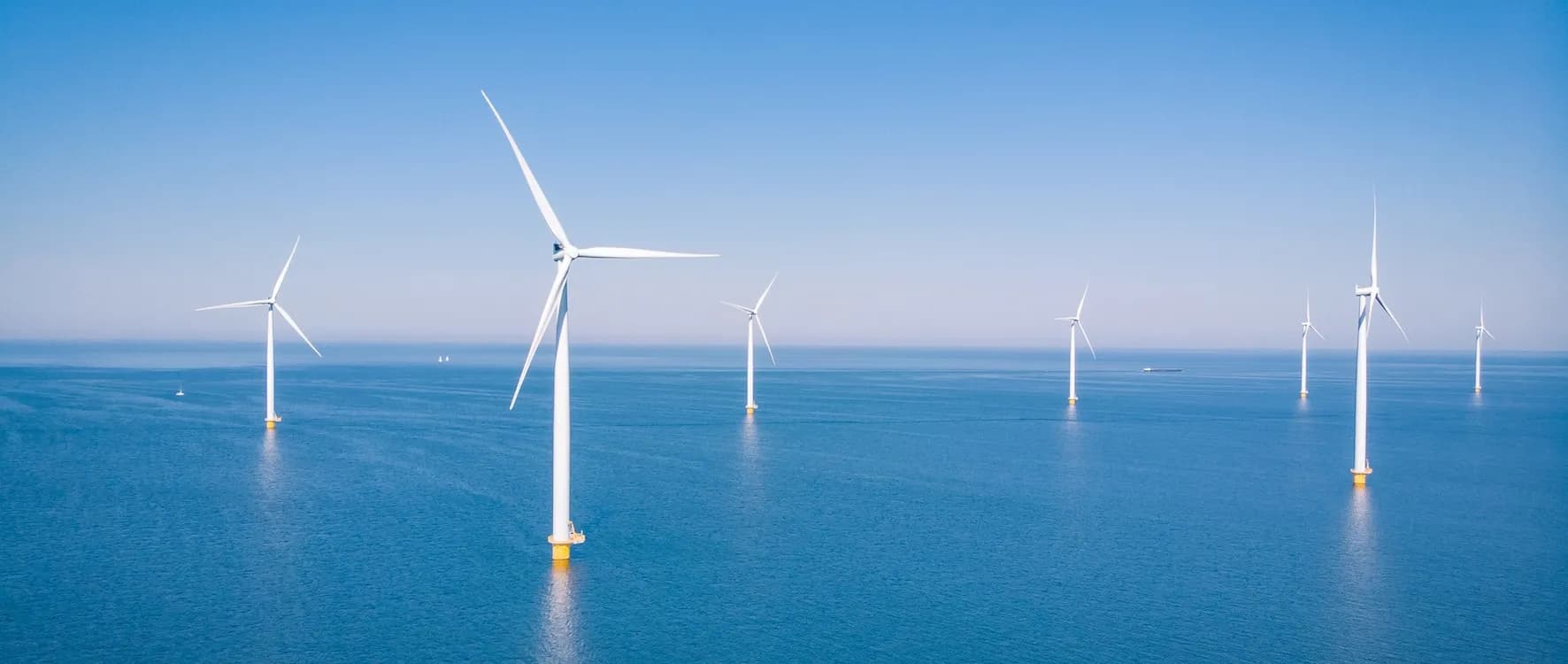
The Dutch offshore wind sector is under pressure. Invest-NL previously showed that a stronger business case for offshore wind projects is an important prerequisite for investment in the supply chain. Follow-up research, carried out together with Ventolines, shows that the next challenge is broader. Successful scaling requires the companies delivering these projects to be able to invest in additional capacity, people and innovation.
The research builds on earlier work by Invest-NL on the financing of offshore wind. This research identified financing bottlenecks for innovation and scaling up across the offshore wind supply chain. The new research also examines market and contractual conditions for suppliers. These conditions determine whether suppliers can afford financially to contribute to the delivery of a project.
This provides a new perspective: the energy transition requires not only bankable offshore wind projects, but also financially resilient suppliers that can grow in step financially and invest in growth.
The research provides government, financiers and market participants with guidance on working together to further develop an investable offshore wind supply chain. In the short term, this requires an attractive, continuous and predictable market outlook from the government. Within the market, balanced contractual conditions, proportionate guarantees and appropriate payment terms are needed. This will give suppliers more scope to deliver projects and continue investing in additional capacity.
As scaling up continues, it remains important to monitor whether their financial strength can grow sufficiently in line with the capacity required for future wind farms.
The research shows that many barriers for suppliers are not directly financial in nature. However, market uncertainty, an uneven distribution of risks in contracts and limited preparation time can mean that suppliers have to bear disproportionately more financial risk. As a result, suppliers become more cautious about taking on new projects, and their scope for investing in additional capacity may come under pressure.
Those investments are precisely what is needed to scale up the offshore wind sector further. If suppliers have insufficient scope to invest, the delivery of future wind farms will come under pressure. The research therefore shows that more attention should be paid to the conditions under which suppliers deliver projects and how these affect their financial capacity to invest in additional capacity.
Invest-NL’s market development team examines financing bottlenecks that hinder the scaling up of innovative markets. By developing structural solutions together with businesses, financiers and governments, Invest-NL aims to help advance the offshore wind sector.
This research shows that further scaling up does not necessarily require new financial instruments. In the coming years, it will be important to assess whether suppliers’ financial capacity can grow quickly enough in line with the physical capacity required to achieve the offshore wind objectives.
Eva Ferrier
sr. business development manager