Energy
—13 oktober 2026
October 13, 2026
3 minutes
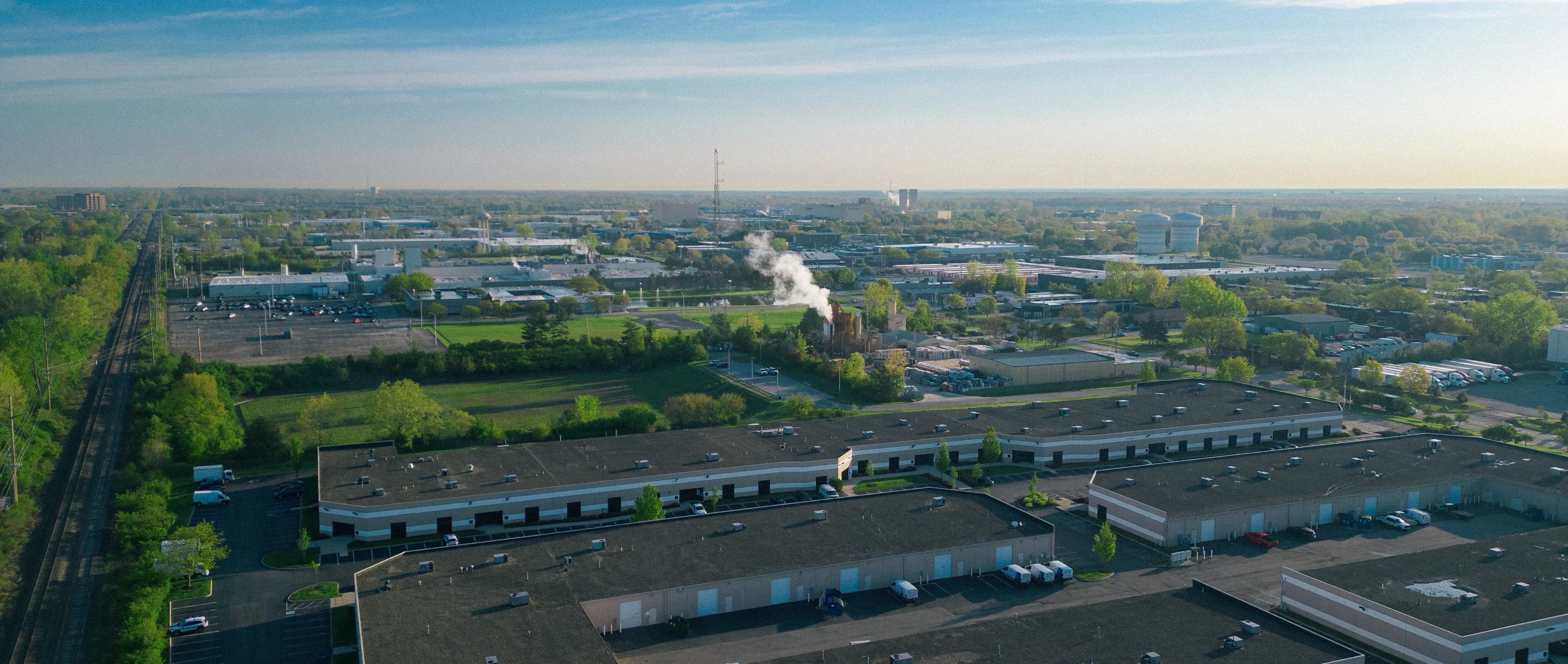
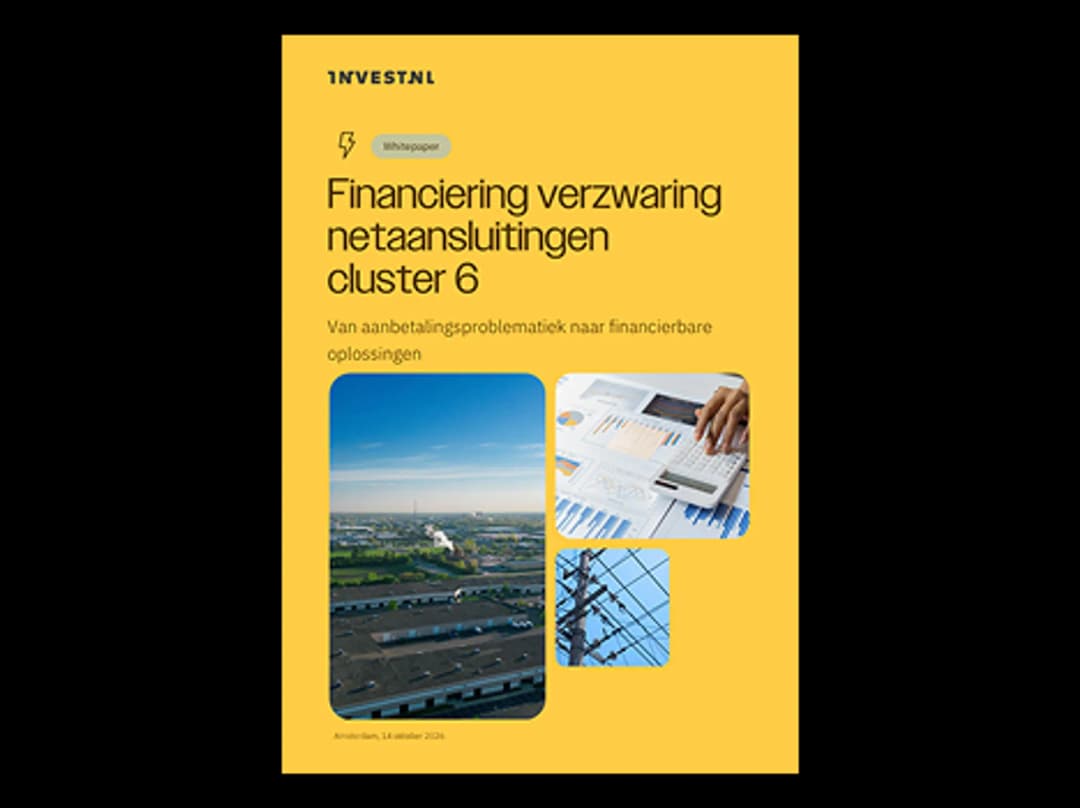
Grid congestion is hindering the decarbonisation of industry. Companies that want to decarbonise and therefore need more electricity often have to pay for a connection years in advance. Invest-NL has mapped out how adjusted advance payment terms can lower financial barriers and enable investment in electrification.
Grid congestion poses a major challenge for companies seeking to electrify their production processes. But alongside limited capacity on the electricity grid, there is also a financial problem. Companies often have to pay 10 to 20% of their connection costs upfront, sometimes three to seven years before it becomes clear whether their sustainability plans will go ahead. While companies do not yet know when they will be able to draw more electricity, they already have to pay a substantial amount. This is particularly difficult for companies with less capital of their own available.
Industry has previously drawn attention to this issue. To find solutions, Invest-NL examined ways of lowering these financial barriers. The conclusion: adjusting the deposit terms is more effective than offering companies additional financing.
One important solution to emerge is to shift the initial deposit to the point at which companies receive certainty about how much electricity they will be able to draw. At that point, they can finance the costs more easily, because the deposit is backed by greater certainty. This means companies do not have to tie up substantial amounts of money at an early stage while it remains uncertain when they will be able to use their connection. This gives businesses more financial scope to implement their sustainability plans.
“It is important that industry can become more sustainable. Invest-NL’s research once again shows that several factors are important in investment decisions around additional electricity capacity. Shifting the initial deposit to the point at which it becomes clear how much transmission capacity will be available, combined with a maturity assessment, gives businesses and network operators certainty. And that is important!”, says Barbara Verwayen, Cluster 6 cluster coordinator.
The accounting treatment of connection costs also offers some leads. An additional analysis by PwC shows that, subject to certain conditions, companies can include these costs on their balance sheets and depreciate them over several years. The appropriate treatment depends on the specific circumstances and the agreements made. The analysis gives businesses and accountants greater insight into the financial consequences of a grid connection.
"High deposits are a major obstacle for industry. Even when there is capacity available on the electricity grid, companies have to pay without sufficient certainty in return. The fact that network operators are willing to review the deposit terms is a significant breakthrough. It is a more effective solution than financial compensation, and the first steps are already being taken", says Diederik Apotheker of Invest-NL.
Network operators have now begun work, partly in response to the recommendations, and are investigating which adjustments are possible. In this way, Invest-NL is helping to remove financing bottlenecks and make investment in sustainable industry possible.
Diederik Apotheker
theme expert Next Generation Power