General
Invest-NL and Bpifrance expand cooperation for European technology champions
16 oktober 2026
May 14, 2026
6 minutes
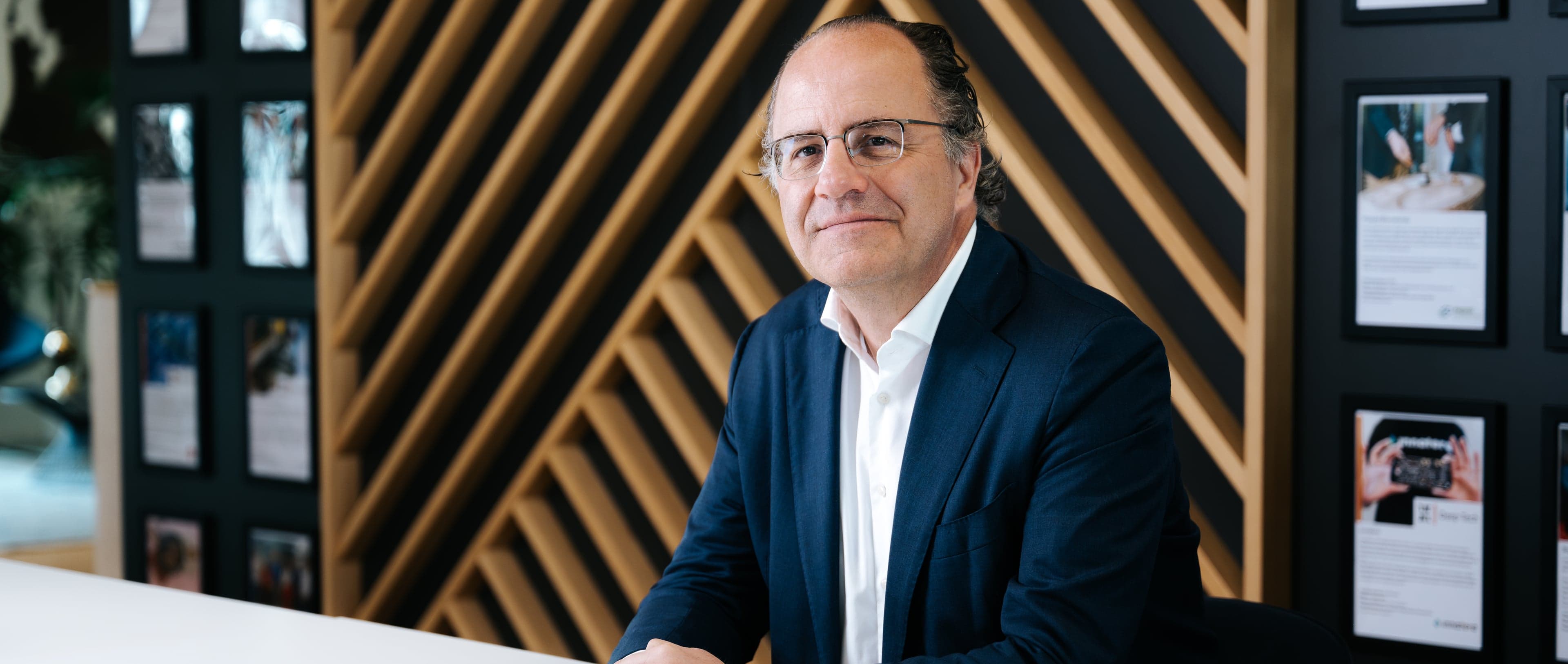
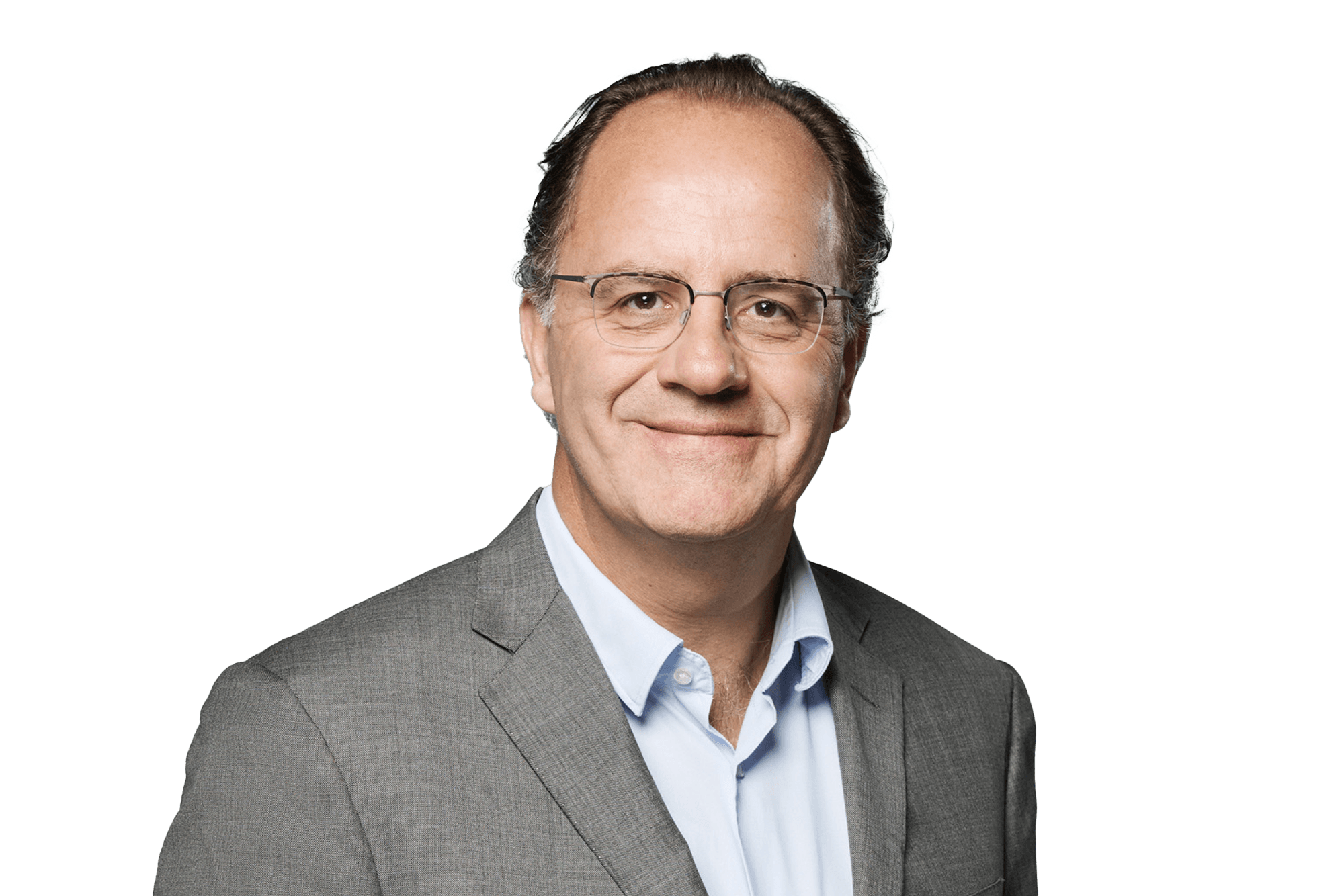
Six years after the founding of Invest-NL, the perspective on the societal transitions the organisation focuses on has shifted. According to Rinke Zonneveld, the themes have not become less relevant, but rather have changed in meaning.
Looking ahead to 2026, an interview with Rinke Zonnveld.
“When Invest-NL started, tough choices were made,” he explains. “We focused on startups and scaleups and on a number of clear themes. That was partly based on analysis—where are the biggest capital market frictions and where can we truly deliver additionality—but it was also a bit spirit of the times. Climate and energy were naturally central at that time.”
He says that this focus was logical. “The climate transition was the biggest issue, with enormous financing needs. But in the years that followed, you see a broadening. Life sciences, deep tech, and agrifood have been added. At the same time, societal issues are also changing.”
According to him, climate remains a core task but takes on a broader meaning. “Energy transition is no longer just about CO₂ reduction. It is also about independence and strategic autonomy. The war in Ukraine and geopolitical tensions make it clear that we do not want to depend on fossil energy or raw materials from countries we do not want to be dependent on. The same applies to circularity: that is not only ideological or sustainable, but also economically and strategically necessary.”
Also at the European level, the perspective shifts. Reports like that of Mario Draghi emphasize that Europe faces a major challenge: strengthening its future earning capacity in a world that no longer operates according to the old rules. “The realization is growing that more public investments are needed. Other countries have already moved towards a more active industrial policy. The Netherlands still needs to get used to that. In that context, our role is becoming even more important.”
The new coalition agreement mentions the establishment of a national investment institution. “It could have gone two ways: a scope that was too narrow or expectations that were too broad. I would naturally have liked to see more resources, but it is also good that the national investment institution is not portrayed as the solution to everything. A new national investment institution should have a solid foundation, and we expect to play an important role in it.”
A concept that is increasingly recurring in the conversation is resilience. “For me, resilience starts with a strong society and a strong economy. The greatest threat is not a tank in front of the door, but the gradual hollowing out of institutions and economic strength.” That’s why many investment domains are related to resilience, he explains. “Energy transition, circularity, technology, and raw materials: all are connected to strategic dependencies. Additionally, economic security is playing an increasingly important role. These are complex issues, but as a national financing and development agency, you cannot say: we are not involved in that.”
With the new strategy, Invest-NL aims to operate more broadly than in its early years. “We had painted ourselves into a corner,” he says with a smile. “Not only the outside world thought we were mainly here for sustainable startups and scaleups; we thought that ourselves too.”
This focus was understandable in the initial phase, but Invest-NL’s mission is broader. Therefore, new financing instruments are being developed, and the investment division has been expanded with structured finance and corporate investments. “Additionally, we are embracing other domains, such as biotech, AI, and water technology. Not because the original themes are less important, but because the challenges are bigger.”
He believes that 2026 marks a next phase. “I’ve now been here three and a half years, and I feel we are about to make a leap in scale. With new product lines, an adapted organizational structure, and soon the integration with Invest International.”
Success in 2026, according to him, does not only mean new transactions but mainly establishing sustainable collaborations and new instruments. “When partners say: this is something we need to scale up together, then we know we are on the right track.”
At the same time, Rinke acknowledges that the agenda is ambitious. “We won’t be able to tick every box green. But this is not a wish list; it’s a to-do list.”
Invest-NL’s position in Europe is also changing. “In the early years, we learned a lot from other national development banks. Now we see that they are looking at us instead. We make relatively large direct investments in innovative companies, which draws attention.”
The collaboration with European institutions is growing. “For example, we are an important co-investor of the European Innovation Council. That shows that we not only benefit from Europe but also bring something to the table.”
Internally, he sees a different challenge: growing without losing the strength of the organization. “As you grow, siloing is always lurking. Specialization is good, but it must never come at the expense of collaboration. Our impact arises precisely from the interplay of different teams.”
He also wants to take steps personally. “In the first years, I deliberately took a visible role to promote Invest-NL. But the organization should not be identified with one person. It’s important that more people become the face of Invest-NL.”
Finally, he emphasizes Invest-NL’s role in the broader ecosystem. “We are a system player. Collaboration with parties like TNO and Techleap shows what is possible when organizations subordinate their interests to the greater whole.”
He believes that this also applies to cooperation with banks and other investors. “It ultimately isn’t about Invest-NL itself. It’s about what we catalyse: a more innovative, sustainable, and resilient Netherlands.”
He thinks the organization is only at the beginning of that development. “The biggest risk is that we think we are already there. But honestly: we are just getting started.”
Rinke Zonneveld
CEO