Biobased & Circular economy
—5 maart 2026
March 5, 2026
2 minutes
How to reduce dependence on scarce and geopolitically sensitive raw materials in consumer electronics? New research from Invest-NL by TU Delft shows that circular design can reduce the demand for primary raw materials by up to 80%. The research report reveals which circular design choices can have the greatest impact and what conditions are needed to scale up these solutions.
The Netherlands aims to be fully circular by 2050. This means keeping raw materials in circulation as long as possible and reducing dependence on primary, often geopolitically sensitive materials. At the same time, approximately 19,000 tons of these critical raw materials are consumed annually in the Netherlands, of which a large part is lost at the end of their lifecycle. Reducing material use by extending product lifespan is urgently needed.
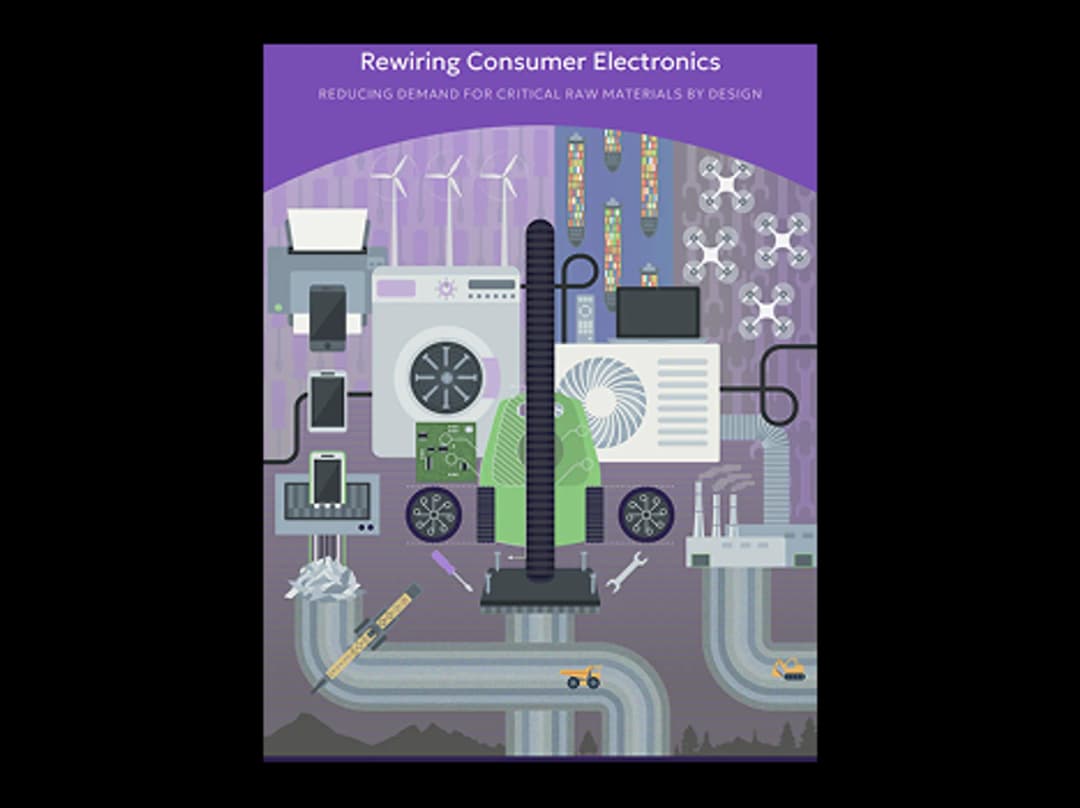
The report Rewiring Consumer Electronics, Reducing Demand for Critical Raw Materials by Design shows that circular design can extend the lifespan of electronics and reduce the influx of primary materials by up to 80%. Four design principles are central: durability and reuse, reparability, refurbishment, and high-quality recycling.
The research report demonstrates that the knowledge and technology for circular design exist. The biggest challenge is economic: repair, reuse, and refurbishment are usually less profitable than replacement. European regulations, such as Ecodesign for Sustainable Products Regulation and the Right-to-Repair legislation, help but do not yet create a level playing field.
Earlier, we mapped out the chain of small consumer electronics. This research builds on that and shows where circular design is technically feasible but faces economic challenges.
The report calls on policymakers, industry, and financiers to jointly create the conditions for scaling up. By better aligning economic incentives, design choices, and investments, circular design can evolve from a technical possibility to a fundamental system change.
Robbert Kromkamp
teamlead Biobased and Circular economy